

Cryptocurrency market moves in cycles, and every investor eventually asks the same question: Is altseason coming? After periods of Bitcoin dominance and consolidation, traders eagerly anticipate the phase when alternative cryptocurrencies begin to outperform Bitcoin dramatically. This phenomenon—known as altseason—has historically generated massive returns, renewed market enthusiasm, and significant capital inflows into the broader crypto ecosystem.
But predicting altseason is not as simple as following social media hype or chasing trending tokens. It requires understanding Bitcoin dominance, capital rotation patterns, macroeconomic conditions, on-chain activity, and overall crypto market sentiment. While history does not repeat itself exactly, it often rhymes—and previous cycles provide valuable clues about what might happen next.
In this comprehensive guide, we’ll explore the most reliable indicators to determine whether altseason is coming. You’ll learn how to analyze market signals, interpret data trends, and position yourself strategically for potential opportunities in the evolving digital asset landscape.
Altseason: What It Really Means
Before diving into the indicators, it’s important to clarify what altseason actually represents in the cryptocurrency market. Altseason refers to a period when altcoins—any cryptocurrency other than Bitcoin—significantly outperform Bitcoin in price growth over a sustained timeframe. During this phase, smaller-cap and mid-cap tokens often experience exponential gains, sometimes surpassing Bitcoin’s returns multiple times over.
Historically, altseason follows a specific market cycle. Bitcoin typically leads the market upward first. As Bitcoin rallies and consolidates, profits rotate into altcoins, pushing them higher. This rotation fuels speculation, innovation narratives, and increased trading volume across decentralized finance, gaming tokens, layer-1 protocols, and other blockchain sectors. So, when investors ask, “Is altseason coming?” they’re essentially asking whether capital rotation from Bitcoin into altcoins is about to accelerate.
Bitcoin Dominance: The Primary Indicator
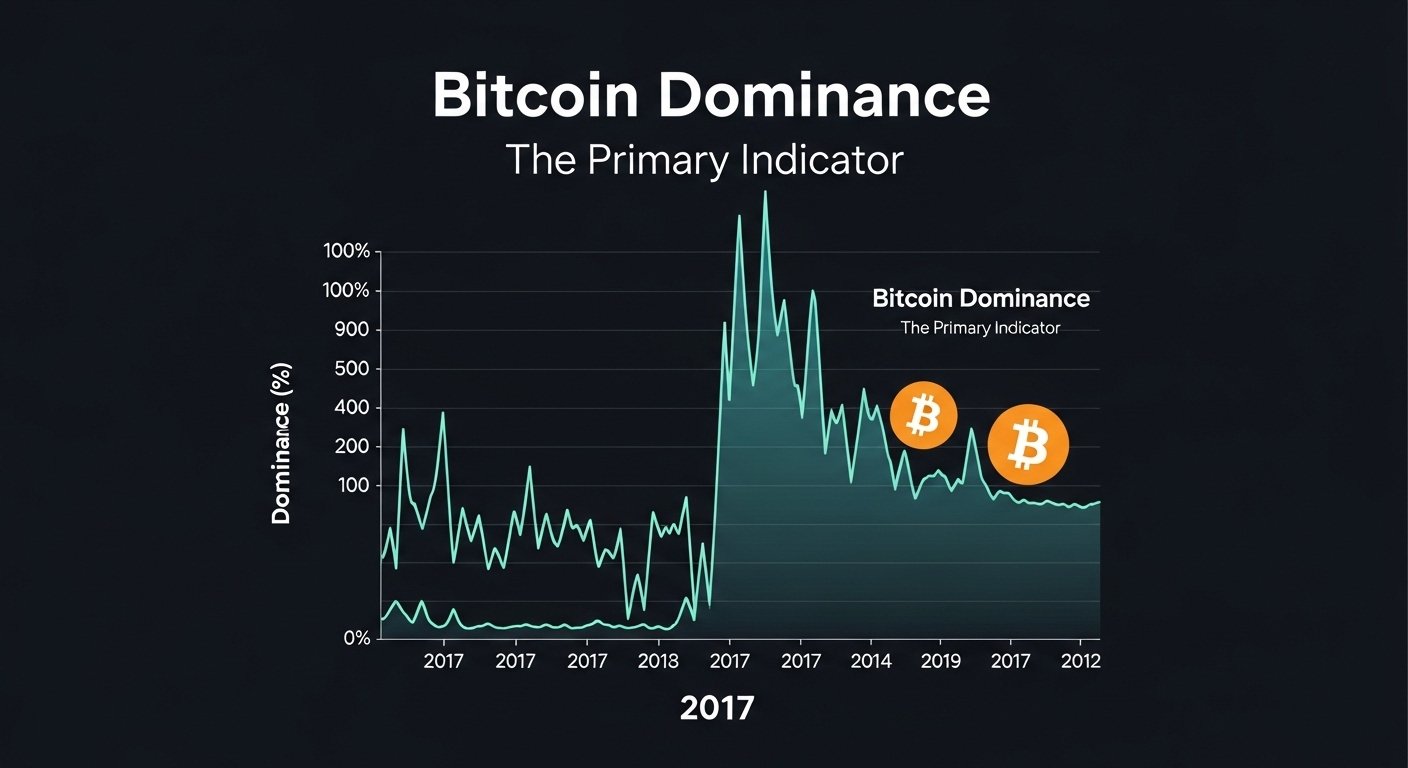
One of the most important metrics to watch when evaluating if altseason is coming is Bitcoin dominance (BTC.D). This metric measures Bitcoin’s market capitalization as a percentage of the total cryptocurrency market cap.
How Bitcoin Dominance Works
When Bitcoin dominance rises, it means Bitcoin is outperforming altcoins. Capital is flowing primarily into BTC rather than alternative cryptocurrencies. Conversely, when Bitcoin dominance falls, it indicates money is rotating into altcoins. Historically, altseason begins when Bitcoin dominance peaks and starts trending downward. This decline signals that investors are becoming more comfortable taking on additional risk by moving into altcoins. A sustained breakdown in Bitcoin dominance is often one of the earliest and strongest signals that altseason is coming.
Total Crypto Market Cap Expansion
Another essential factor in determining if altseason is coming is the growth of the total cryptocurrency market capitalization. When the total market cap expands significantly, it shows new money entering the crypto ecosystem. During strong bull cycles, capital first flows into Bitcoin, then into large-cap altcoins like Ethereum, and eventually into smaller-cap tokens.
Why Market Cap Growth Matters
If the overall crypto market cap is increasing while Bitcoin dominance is declining, this combination often precedes altseason. It indicates both fresh liquidity and capital rotation—two critical ingredients for widespread altcoin rallies. When analyzing this data, traders often compare Bitcoin’s price movement against the total market cap excluding Bitcoin. If non-Bitcoin market cap starts accelerating, it’s a strong indication that altseason may be approaching.
Ethereum’s Performance Against Bitcoin
Ethereum has historically acted as the gateway to altseason. Monitoring the ETH/BTC trading pair provides key insights into market rotation. When Ethereum begins outperforming Bitcoin consistently, it suggests increased risk appetite in the market. Investors often move from Bitcoin to Ethereum before expanding into smaller altcoins.
ETH/BTC Breakouts as a Signal
If ETH/BTC breaks out of long-term resistance and trends upward, it can signal that altseason is coming. Ethereum’s strength frequently precedes broader altcoin rallies. Since Ethereum supports decentralized finance (DeFi), NFTs, and smart contracts, its ecosystem growth can fuel widespread enthusiasm across the crypto market. Strong ETH performance tends to spill over into other altcoins.
On-Chain Activity and Network Growth
On-chain metrics provide valuable insights into blockchain health and investor behavior. When evaluating whether altseason is coming, analysts examine factors such as active addresses, transaction volume, and total value locked (TVL) in DeFi protocols.
Increasing Network Usage
Rising on-chain activity across multiple blockchain networks suggests growing adoption and utility. If users are interacting more with decentralized applications and layer-1 ecosystems, it often signals genuine demand rather than pure speculation. An increase in stablecoin supply across exchanges can also indicate incoming liquidity ready to deploy into altcoins. Historically, such liquidity spikes have preceded altseason phases.
Market Sentiment and Risk Appetite
Crypto markets are heavily influenced by sentiment. Fear and greed cycles often dictate capital flows between Bitcoin and altcoins. Investors feel confident and optimistic, they’re more likely to allocate funds to higher-risk assets like small-cap altcoins. This shift in risk appetite often aligns with the beginning of altseason.
The Role of Social Trends
Growing discussions around new blockchain narratives—such as AI tokens, gaming ecosystems, or real-world asset tokenization—can amplify speculative interest. While hype alone doesn’t confirm altseason, it often contributes to momentum once capital rotation begins. Monitoring funding rates, leverage data, and derivatives markets can also provide clues about excessive speculation or early bullish positioning in altcoins.
Bitcoin Consolidation After a Rally
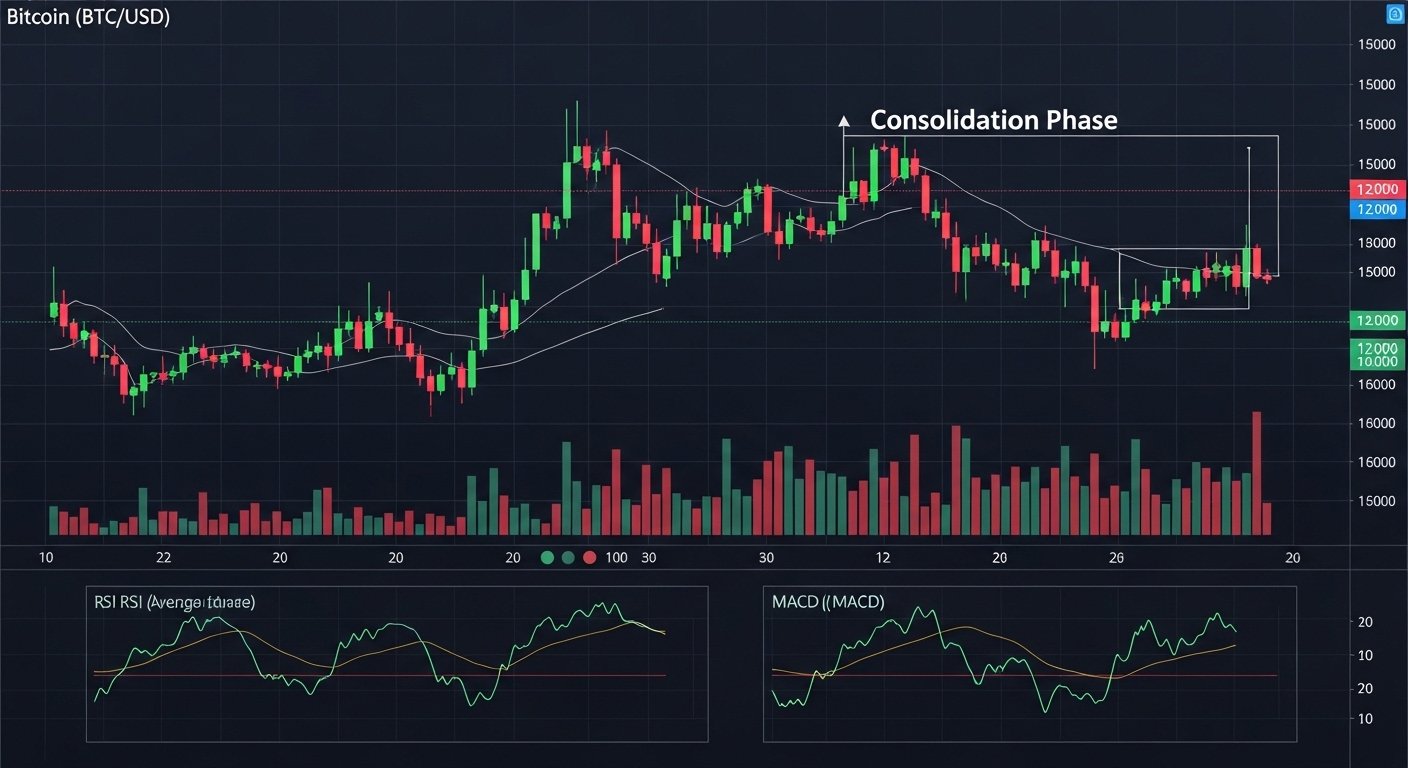
Altseason rarely begins while Bitcoin is making aggressive upward moves. Instead, it typically starts when Bitcoin enters a consolidation phase after a strong rally. During consolidation, Bitcoin trades sideways within a range. This stability gives investors confidence to explore higher-risk opportunities in altcoins. Bitcoin’s volatility decreases while altcoins start posting stronger relative gains, it’s often an early indication that altseason is coming.
Macroeconomic Conditions and Liquidity
Broader economic factors also influence whether altseason is coming. Low interest rates, expanding liquidity, and favorable monetary policies tend to support risk assets, including cryptocurrencies. Conversely, tight monetary conditions can limit speculative activity. Global liquidity cycles often align with crypto bull markets. When central banks inject liquidity into financial systems, risk-on assets like altcoins typically benefit disproportionately. Monitoring inflation data, Federal Reserve policy decisions, and global risk trends can provide additional context when evaluating the probability of altseason.
Historical Patterns and Market Cycles
Looking at previous crypto cycles offers useful perspective. In past bull markets, altseason followed a recognizable sequence. Bitcoin surged first. Ethereum followed. Then mid-cap and small-cap altcoins exploded in value. Although each cycle has unique characteristics, the pattern of capital rotation remains consistent. Understanding these historical behaviors helps investors evaluate whether current conditions resemble previous altseason setups. Still, it’s important to remember that no indicator guarantees outcomes. Markets evolve, and new catalysts can alter traditional patterns.
Impact of Institutional Participation
Institutional adoption has changed the crypto landscape significantly. Large funds, ETFs, and corporate treasuries tend to favor Bitcoin over smaller altcoins. However, once institutions establish Bitcoin positions, they may gradually diversify into Ethereum and select altcoins. If institutional flows begin expanding beyond Bitcoin, it could strengthen the case that altseason is coming. Increased regulatory clarity and mainstream adoption also improve confidence in the broader altcoin market.
Stablecoin Flows and Exchange Reserves
Stablecoins often serve as dry powder for crypto investments. Rising stablecoin reserves on exchanges can indicate that investors are preparing to deploy capital. When stablecoin inflows coincide with declining Bitcoin dominance and rising altcoin prices, it creates a favorable setup for altseason. Similarly, declining Bitcoin reserves on exchanges may signal reduced selling pressure, allowing capital to shift toward altcoins.
Sector Rotation Within Altcoins
Not all altcoins perform equally during altseason. Capital typically rotates between sectors such as DeFi, gaming, infrastructure, and AI-related tokens. Observing which sectors are gaining traction can provide early signals. If multiple sectors begin outperforming Bitcoin simultaneously, it strengthens the probability that altseason is underway. Strong performance in layer-1 ecosystems often acts as a catalyst for smaller projects built on those networks.
Signs That Altseason May Not Be Coming
While optimism is common in crypto markets, it’s equally important to recognize warning signs. If Bitcoin dominance continues rising steadily, it suggests capital remains concentrated in BTC. Weak trading volumes, declining on-chain activity, and macroeconomic tightening can also delay altseason. Additionally, regulatory uncertainty or major market shocks can interrupt capital rotation cycles. Being realistic and data-driven helps investors avoid premature conclusions.
Is Altseason Coming? Bringing It All Together
So, is altseason coming? The answer depends on the alignment of multiple indicators rather than a single signal. If Bitcoin dominance is declining, Ethereum is outperforming BTC, total crypto market cap is expanding, on-chain activity is rising, and macro conditions support risk assets, the probability of altseason increases significantly. However, markets are dynamic. Continuous monitoring and disciplined risk management are essential. Altseason can generate extraordinary returns—but it also brings heightened volatility. Smart investors balance optimism with strategy, avoiding emotional decisions driven by hype alone.
Conclusion
The question “Is altseason coming?” captures the excitement and uncertainty of the cryptocurrency market. Altseason represents a powerful phase of capital rotation, risk appetite, and explosive altcoin growth. But it does not happen randomly. By tracking Bitcoin dominance, Ethereum performance, total market cap expansion, on-chain metrics, liquidity conditions, and macroeconomic signals, investors can make more informed decisions. While no indicator guarantees outcomes, understanding these key signals dramatically improves your ability to anticipate potential altcoin surges. Whether altseason is weeks or months away, staying educated and prepared positions you to act confidently when the market shifts.
