


lobal markets have always reacted sharply to geopolitical instability, and the recent Iran conflict is no exception. From oil prices to equity markets, waves of uncertainty have rippled across financial systems worldwide. Traditionally, investors flee toward safe-haven assets such as gold and U.S. Treasury bonds during such periods. However, in today’s evolving financial landscape, another asset often enters the conversation: Bitcoin.
When headlines surrounding the Iran conflict intensified, many analysts anticipated that Bitcoin would experience severe volatility. Given its reputation as a high-risk, speculative asset, the assumption seemed reasonable. Yet, while the Iran conflict pressures Bitcoin in the short term, the broader crypto market has demonstrated resilience that few expected.
This article explores how the Iran conflict influences Bitcoin prices, why the market has held stronger than anticipated, and what this means for investors navigating uncertain times. We will examine macroeconomic trends, investor psychology, on-chain data, institutional participation, and the evolving narrative of Bitcoin as a potential digital safe haven.
Iran Conflict and Its Immediate Impact on Global Markets
Geopolitical tensions often create sudden shocks across asset classes. The Iran conflict triggered swift reactions in oil markets due to the region’s strategic importance in global energy supply. Crude oil prices surged, equity markets fluctuated, and risk-sensitive assets faced renewed pressure. In the early stages of the Iran conflict, Bitcoin experienced noticeable price swings. This reaction was not entirely surprising. When geopolitical instability increases, investors typically reduce exposure to volatile assets. The crypto market, including Bitcoin, saw heightened volatility as traders assessed potential fallout.
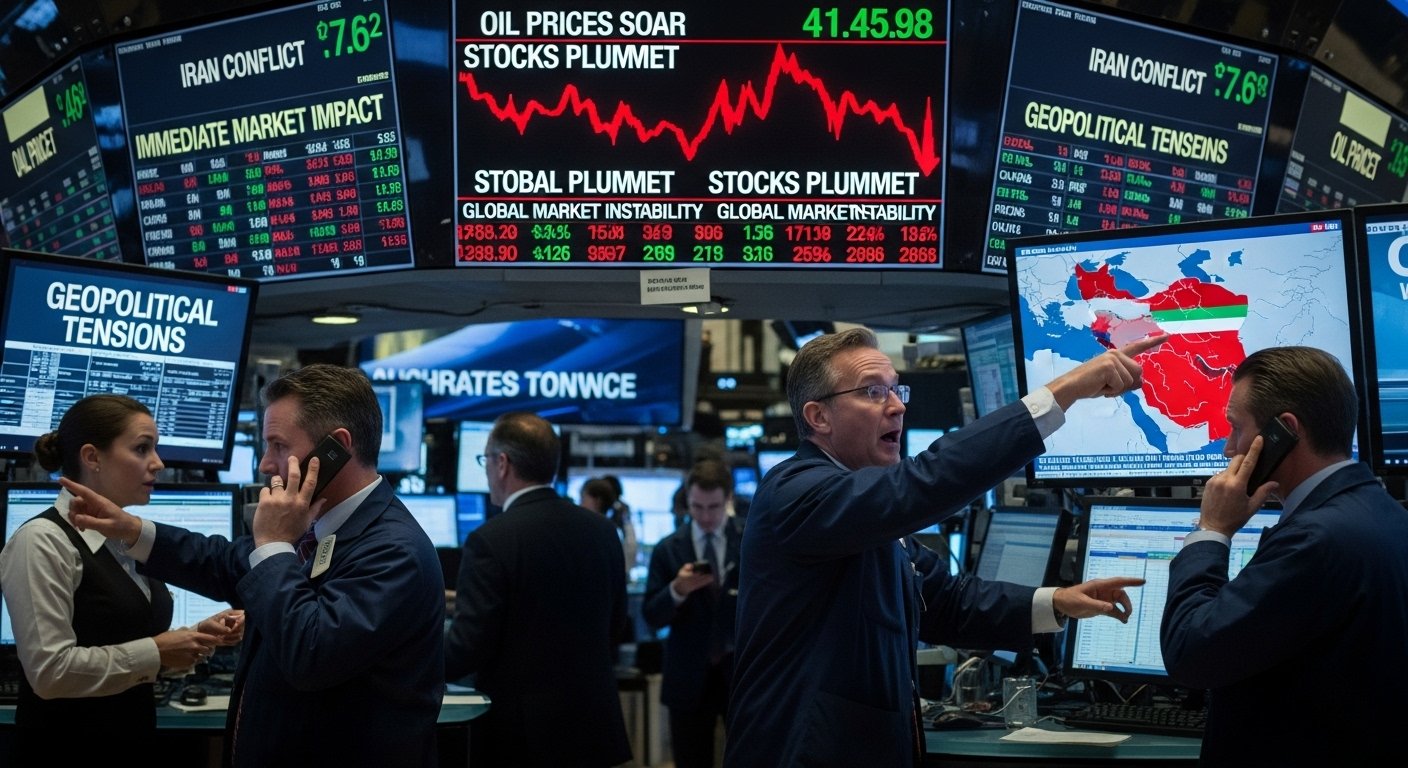
However, compared to previous global crises, Bitcoin’s decline remained relatively contained. Instead of a dramatic collapse, the market showed signs of stabilization after initial turbulence. This suggests that while the Iran conflict pressures Bitcoin, the underlying demand for digital assets may be stronger than many assumed.
Why Bitcoin Reacts to Geopolitical Tensions
Risk Asset or Digital Safe Haven?
One of the most debated questions in the crypto world is whether Bitcoin behaves more like a risk asset or a safe haven. During stock market sell-offs, Bitcoin often correlates with equities, reinforcing its classification as a speculative investment. Yet, during currency devaluation or capital controls, Bitcoin has demonstrated safe-haven characteristics.
The Iran conflict adds complexity to this debate. On one hand, short-term traders reduced risk exposure, leading to temporary Bitcoin price dips. On the other hand, longer-term investors viewed the uncertainty as validation of Bitcoin’s core thesis: a decentralized asset immune to government control and geopolitical manipulation. This dual identity explains why the Iran conflict pressures Bitcoin initially but does not necessarily trigger sustained downturns.
Currency Instability and Capital Flight
Geopolitical tensions often weaken local currencies and tighten capital controls. In regions experiencing instability, individuals may seek alternatives to preserve wealth. Bitcoin’s borderless nature makes it an attractive option for those seeking financial autonomy. If regional tensions escalate and traditional banking systems face disruptions, Bitcoin could see increased adoption. This potential demand acts as a counterbalance when the Iran conflict pressures Bitcoin in global trading markets.
Market Resilience: Stronger Than Expected
On-Chain Metrics Tell a Different Story
While price charts reflect short-term volatility, on-chain data offers deeper insights into market behavior. During the recent Iran conflict developments, long-term Bitcoin holders largely refrained from panic selling. Wallet addresses holding significant amounts of Bitcoin remained stable, signaling confidence. Moreover, exchange outflows increased slightly, suggesting that some investors moved Bitcoin into cold storage rather than liquidating positions. This behavior indicates accumulation rather than capitulation. When the Iran conflict pressures Bitcoin prices, but long-term holders maintain conviction, the market often stabilizes more quickly.
Institutional Participation Provides Stability
Unlike earlier cycles dominated by retail speculation, today’s Bitcoin market includes institutional investors, asset managers, and publicly traded companies. These participants tend to operate with longer investment horizons and structured risk management strategies. Institutional involvement creates deeper liquidity and reduces the likelihood of extreme price crashes. As a result, even though the Iran conflict pressures Bitcoin, structural support within the market mitigates sharp declines.
Bitcoin Versus Traditional Safe Havens
Gold’s Performance During the Iran Conflict
Gold historically thrives during geopolitical turmoil. As tensions surrounding the Iran conflict rose, gold prices climbed, reflecting traditional investor behavior. Yet, Bitcoin’s relatively stable performance sparked renewed debate about its role in diversified portfolios. Although gold remains the dominant safe-haven asset, Bitcoin’s digital scarcity and capped supply of 21 million coins present a modern alternative. Younger investors increasingly view Bitcoin as “digital gold,” especially in times of uncertainty.
The U.S. Dollar and Treasury Bonds
The U.S. dollar strengthened during peak Iran conflict tensions, as global capital sought stability. Treasury yields fluctuated as investors repositioned portfolios. In contrast, Bitcoin’s price swings were less dramatic than many expected, particularly given its historical volatility. The fact that the Iran conflict pressures Bitcoin without causing disproportionate declines suggests growing maturity within the crypto market.
Psychological Component: Fear, Uncertainty, and Narrative
Media Influence on Crypto Volatility
Headlines often amplify market reactions. Sensational reporting on the Iran conflict contributed to short-term panic selling. Crypto markets, operating 24/7, respond instantly to global news cycles. However, once the initial shock faded, rational market participants reassessed the situation. This recalibration limited sustained downside pressure on Bitcoin.
The Strength of the Long-Term Narrative
Bitcoin’s core narrative centers around decentralization, censorship resistance, and independence from traditional financial systems. Ironically, geopolitical instability reinforces this narrative. When the Iran conflict pressures Bitcoin in the short term, it simultaneously highlights the fragility of centralized systems. This contradiction helps explain why the broader crypto market has held stronger than expected.
Oil Prices, Inflation, and Bitcoin
Energy Market Volatility
The Middle East plays a critical role in global energy supply. Rising oil prices due to the Iran conflict can drive inflation higher worldwide. Inflationary pressures often impact central bank policies, interest rates, and currency valuations. Bitcoin’s fixed supply positions it as a potential hedge against inflation. If higher oil prices lead to persistent inflation, demand for scarce assets like Bitcoin could increase.
Monetary Policy Implications
Central banks closely monitor geopolitical developments. Should the Iran conflict lead to sustained economic disruption, policymakers may adjust interest rate strategies. Lower rates or renewed liquidity measures historically support risk assets, including cryptocurrencies. Thus, while the Iran conflict pressures Bitcoin through immediate uncertainty, its secondary effects on monetary policy could ultimately benefit the asset.
Technical Analysis: Support Levels Hold Firm
From a technical perspective, Bitcoin maintained critical support zones despite volatility linked to the Iran conflict. Traders observed strong buying interest at key price levels, preventing deeper corrections. Volume analysis indicated that sell-offs lacked sustained momentum. This pattern often suggests that larger market participants view dips as buying opportunities. The fact that the Iran conflict pressures Bitcoin without breaking major technical structures reinforces the perception of underlying strength.
Broader Crypto Market Reaction
Altcoins and Market Correlation
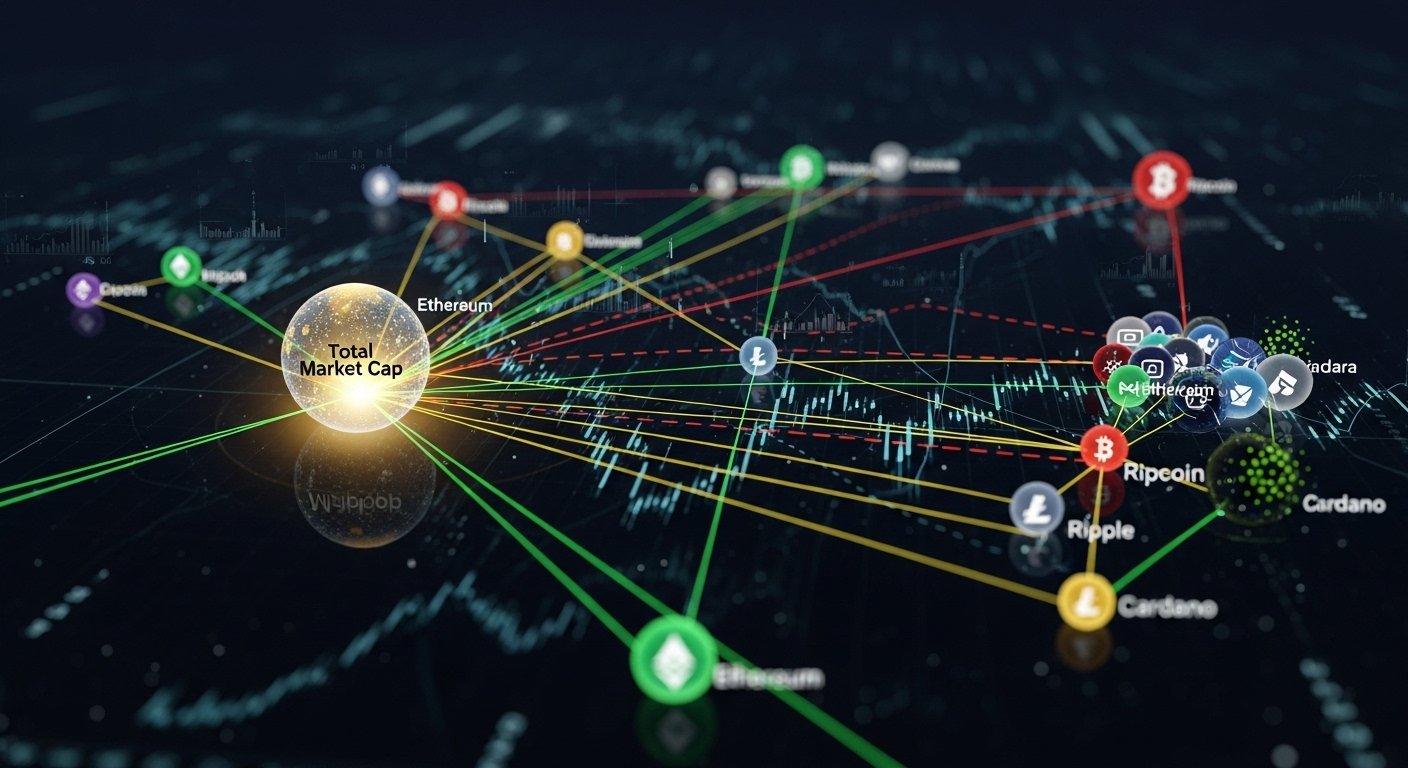
While Bitcoin serves as the benchmark for the crypto market, altcoins often experience amplified volatility. During heightened Iran conflict tensions, several altcoins saw sharper pullbacks than Bitcoin. This divergence underscores Bitcoin’s dominant position and perceived relative stability within the digital asset ecosystem.
Stablecoins as a Buffer
Stablecoins played a crucial role in absorbing volatility. Traders rotated into dollar-pegged assets during peak uncertainty, maintaining liquidity within the crypto ecosystem rather than exiting entirely. This internal capital rotation limited systemic risk, helping the market remain stronger than expected.
Long-Term Implications for Bitcoin
Strengthening the Digital Gold Thesis
Every geopolitical crisis tests Bitcoin’s resilience. The Iran conflict is another case study demonstrating that while short-term volatility persists, catastrophic collapses are becoming less frequent. If Bitcoin continues to withstand global tensions, its reputation as digital gold may solidify further.
Increased Global Awareness
Geopolitical crises often draw attention to alternative financial systems. Media coverage linking the Iran conflict and Bitcoin introduces new audiences to cryptocurrency. Increased awareness, even during turbulent periods, can drive long-term adoption.
Risks That Remain
Despite resilience, risks remain. Escalation of the Iran conflict could trigger broader global instability, affecting all asset classes. Regulatory responses, sanctions, or cyber warfare could indirectly impact crypto infrastructure. Investors must remain aware that while the Iran conflict pressures Bitcoin less severely than expected, volatility is inherent in digital assets.
Conclusion
The Iran conflict pressures Bitcoin, but the market holds stronger than expected. Initial volatility reflected investor caution, yet deeper analysis reveals structural maturity, strong on-chain metrics, and institutional support. Rather than collapsing under geopolitical stress, Bitcoin demonstrated resilience that challenges outdated narratives about its fragility. While uncertainty remains, the crypto market’s performance during this period highlights its evolution into a more robust financial ecosystem. As global tensions continue to shape economic landscapes, Bitcoin’s role within diversified portfolios will remain a subject of debate. However, one thing is clear: the asset is no longer easily shaken by every geopolitical headline.
FAQs
Q: Why does the Iran conflict affect Bitcoin prices?
Geopolitical tensions increase market uncertainty, prompting investors to reduce exposure to volatile assets. This short-term risk aversion can pressure Bitcoin prices.
Q: Is Bitcoin a safe haven during geopolitical crises?
Bitcoin shows mixed behavior. It sometimes acts like a risk asset but can also serve as a hedge against currency instability and inflation, depending on broader economic conditions.
Q: How did Bitcoin perform compared to gold during the Iran conflict?
Gold experienced traditional safe-haven demand, while Bitcoin showed moderate volatility but avoided severe collapse, indicating growing market resilience.
Q: Could rising oil prices benefit Bitcoin?
Higher oil prices can increase inflation, potentially boosting demand for scarce assets like Bitcoin as an inflation hedge.
Q: Should investors buy Bitcoin during geopolitical uncertainty?
Investment decisions depend on individual risk tolerance and financial goals. While Bitcoin has shown resilience, it remains volatile and should be approached strategically.
